Understanding the Factors That Can Increase Insurance Rates
Understanding this topic can help you avoid surprises, ask better questions, and make more informed insurance decisions.
Why This Matters
Insurance billing can be confusing because payments may involve carriers, agencies, finance companies, mortgage companies, escrow accounts, and payment plans.
Understanding how billing works helps reduce missed payments, cancellation concerns, and refund misunderstandings.
Common Reasons This Happens
Changes may occur because of rate adjustments, policy endorsements, coverage changes, payment plan changes, audits, premium finance agreements, minimum earned premium provisions, or outstanding balances.
The exact reason depends on the policy type, billing method, and documents issued by the insurance company or finance company.
What Documents Should You Review
Review your invoice, declarations page, policy change notice, cancellation notice, audit statement, finance agreement, or refund statement.
These documents usually show the amount due, the due date, the policy period, any changes made, and how the amount was calculated.
What You Should Do
Do not ignore billing notices. If something looks incorrect or confusing, contact your insurance agency or insurance company as soon as possible.
Prompt communication can help avoid cancellation, late fees, reinstatement issues, and coverage lapses.
Common Example
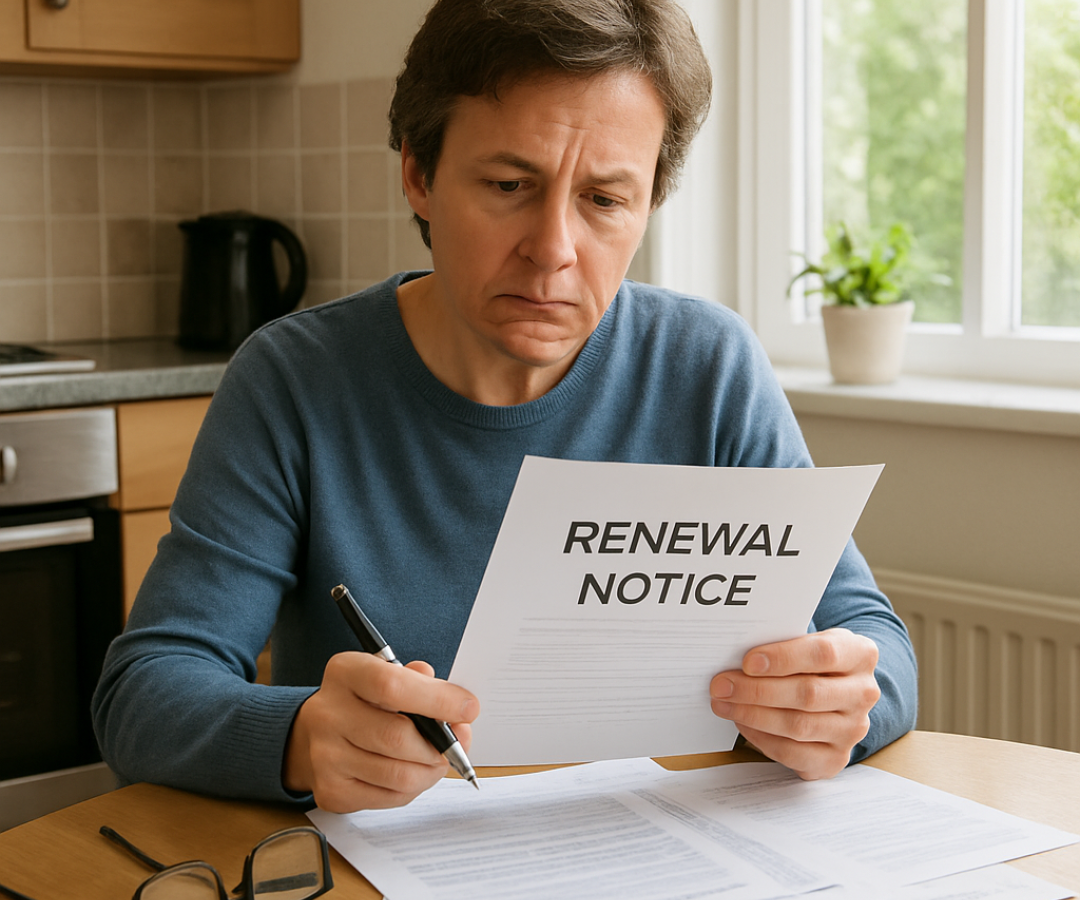
A customer receives a notice related to why did my renewal premium go up? and is unsure why the amount changed. After reviewing the billing documents, the customer learns that the change was caused by policy terms, payment timing, and the way the premium was calculated.
By reviewing the notice early, the customer is able to ask questions and resolve the issue before coverage is affected.
Key Takeaway
Renewal premiums may increase due to inflation, repair costs, weather losses, rate filings, claims, or coverage changes.
Additional Details for Why Did My Renewal Premium Go Up?
This article is designed to give policyholders a clearer understanding of how why did my renewal premium go up? may affect an insurance policy, a renewal, a claim, or a billing situation. Insurance decisions are often easier when the key terms, timing, and responsibilities are explained before there is a problem.
Every insurance company uses its own policy language, rating rules, underwriting guidelines, and billing procedures. Because of that, the exact answer can vary from one carrier to another. This article gives a general explanation, but the actual policy documents, carrier notices, invoices, endorsements, and state requirements should always be reviewed when a specific situation arises.
Why This Topic Matters
Why Did My Renewal Premium Go Up? matters because it can affect cost, coverage, timing, and expectations. Many insurance frustrations happen when a customer does not know what changed, why something was requested, or what action is needed. A clear explanation can help prevent missed deadlines, coverage gaps, unexpected invoices, or misunderstandings during a claim.
For customers, this topic is also important because insurance is not just a monthly payment. It is a contract with conditions, limits, exclusions, and responsibilities. Understanding those responsibilities before a problem occurs can make the process much smoother.
How This Usually Works in Billing
Billing questions often come down to three things: who is collecting the money, what premium has been charged, and what payment schedule applies. Some policies are billed directly by the insurance company. Others may be billed by the agency, a wholesaler, or a premium finance company. The correct payment location is usually shown on the invoice or billing notice.
Customers should pay close attention to due dates, cancellation dates, payment confirmations, and any notices that arrive by mail or email. A billing notice may look routine, but it can contain important information about late payments, policy changes, audits, refunds, or pending cancellation.
Commercial insurance billing can be more complicated than personal insurance billing because the premium may be based on estimates, financing agreements, minimum earned premiums, policy fees, taxes, audits, or endorsements issued during the policy term. This is one reason it is important to keep copies of invoices, finance agreements, cancellation notices, and payment receipts.
Common Reasons Customers Have Questions
Customers often ask about this topic when a payment amount changes, a refund is smaller than expected, a cancellation notice is received, a finance company sends a notice, or an audit invoice arrives after the policy term ends. In many cases, the issue is not a mistake. It may be the result of a policy provision, billing method, payment plan, or carrier rule.
The best first step is to review the most recent invoice or notice. Look for the policy number, effective date, cancellation date, transaction description, and amount due. If the notice involves a premium finance company, also review the finance agreement because the finance company may have separate payment deadlines and fees.
What Customers Should Do
Customers should not ignore billing notices, even if they believe a payment was already made. Payment processing delays, returned payments, address changes, expired cards, and incorrect account information can all create billing problems. If a notice appears incorrect, contact the insurance agency, insurance company, or finance company quickly so the issue can be reviewed before a deadline passes.
Questions to Ask Your Insurance Professional
When discussing why did my renewal premium go up?, helpful questions include: How does this apply to my specific policy? Are there exclusions or limitations I should know about? Could this affect my premium, refund, renewal, or claim? Are there deadlines I need to meet? Do I need to provide documents or updated information? Are there alternatives that may better fit my situation?
These questions help move the conversation from a general explanation to a practical review of your actual policy.
Common Mistakes to Avoid
One common mistake is assuming that all insurance companies handle the situation the same way. Policy language and carrier procedures can vary. Another mistake is waiting too long to ask questions. Timing matters, especially when a payment due date, renewal deadline, cancellation notice, claim deadline, or contract requirement is involved.
Customers should also avoid relying only on verbal assumptions. Important insurance decisions should be confirmed through policy documents, invoices, endorsements, certificates, claim letters, or written carrier communication.
When to Contact Your Agency
You should contact your insurance agency whenever something changes or when a notice is unclear. Changes may include a new vehicle, new driver, home renovation, business growth, contract requirement, claim, billing notice, cancellation notice, or refinance. Early communication gives the agency more time to review options and help prevent avoidable problems.
For business customers, it is especially important to contact the agency before signing contracts that contain insurance requirements. Some requirements may take time to review, quote, endorse, or approve with the carrier.
Detailed Example
A customer receives a notice related to why did my renewal premium go up? and is unsure whether action is needed. Instead of ignoring the notice, the customer contacts the agency and provides a copy of the document. The agency reviews the policy, billing status, carrier requirements, and any applicable deadlines. After the review, the customer understands what changed, what options are available, and what steps must be completed to keep the policy accurate and active.
This type of early communication can help avoid surprises. It can also reduce frustration because the customer is working from actual policy information rather than guesswork.
How TWFG Insurance Services Can Help
TWFG Insurance Services can help review policy documents, billing notices, coverage questions, renewal changes, certificates, claims information, and carrier requirements. Because TWFG works with multiple insurance companies, the agency can often help explain why one carrier handles a situation differently from another.
The goal is to help customers understand their coverage, make informed decisions, and avoid unnecessary confusion. Insurance can be complicated, but a clear explanation can make the process much easier.
Final Takeaway
Why Did My Renewal Premium Go Up? is an important insurance topic because it can affect coverage, cost, timing, or expectations. The best approach is to read notices carefully, keep records organized, communicate early, and ask questions before deadlines pass. A quick review today can often prevent a much larger problem later.
Ready to Get Covered?
Get a free quote. No obligation, no pressure.
Keep Reading